Nigeria’s Independence Day Renews Debate Over Media Freedom and Democratic Accountability
By SMI | Oct 01, 2026
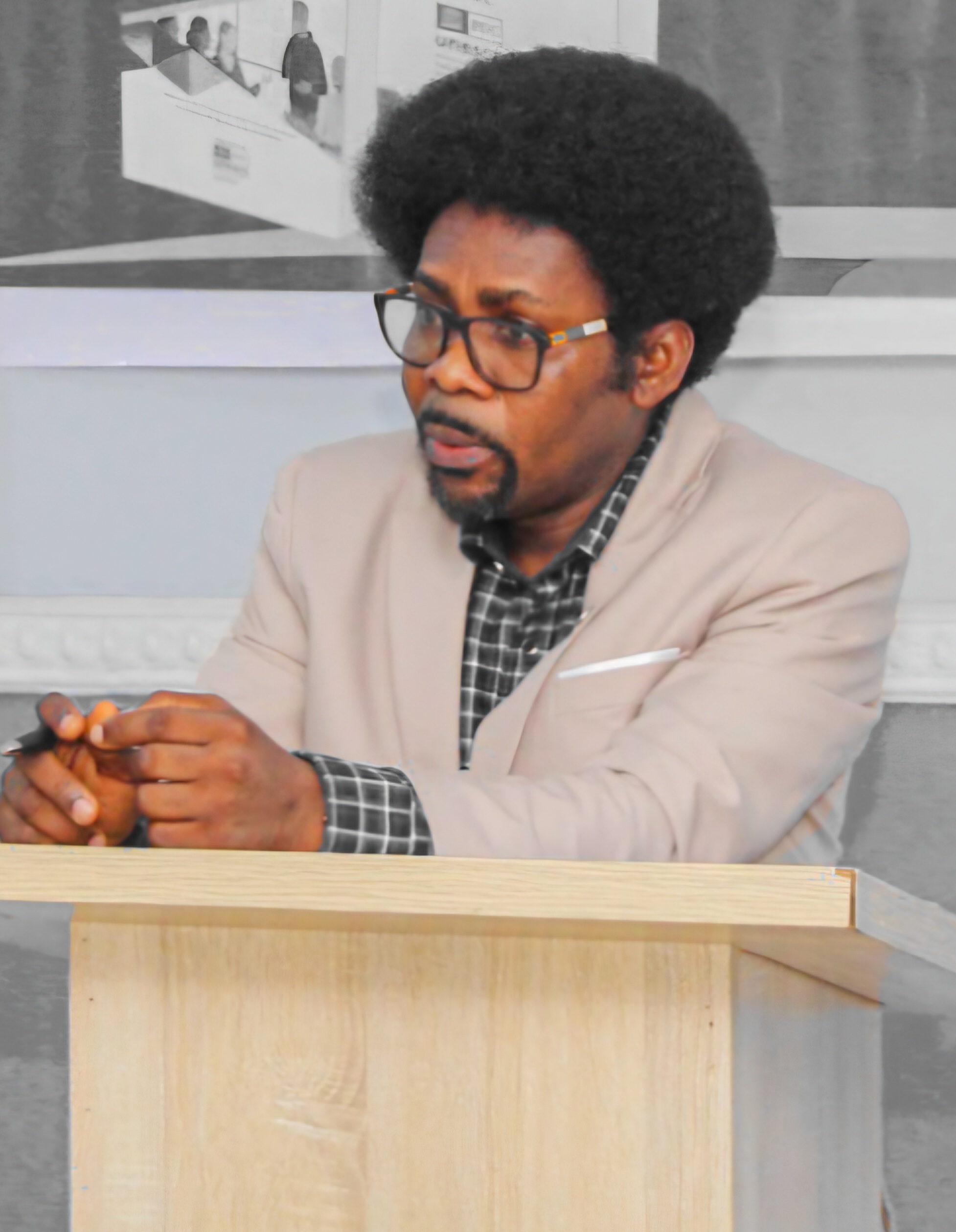
ABUJA, October 1, 2026 — As Nigeria marks another anniversary of its independence from British colonial rule, renewed attention is being drawn to the state of media freedom and its implications for democracy, accountability and citizens’ access to reliable information.
The issue was raised in Abuja by Peter Iorter, Executive Director and Chief Executive Officer of Safer-Media Initiative, in his remarks on Nigeria’s Independence Day celebration on Thursday.
Iorter said independence should represent freedom, but questioned the extent to which that freedom could be considered complete when the space for independent journalism continues to come under pressure.
He described the media as both a watchdog over those in power and a platform through which citizens participate in public affairs, arguing that restrictions on journalism therefore have consequences that extend beyond the media industry itself.
The discussion, he noted, is particularly significant as Nigeria approaches another general election, given the historic role of journalism in the country’s struggle for independence and its continuing importance to democratic governance.
Iorter said: “Journalism was central to our attainment of independence; today, that role shapes how citizens understand elections, public policy, security threats, corruption, conflict and the performance of public institutions. Yet journalists and media organisations continue to operate in an environment characterised by political pressure, online harassment, economic vulnerability, digital threats, legal pressures and, in some circumstances, physical violence.”
According to him, these pressures can encourage self-censorship and diminish the willingness of journalists to investigate politically sensitive matters, expose wrongdoing or scrutinise powerful interests.
“The result is a weaker public information environment,” he said.
Iorter further linked media freedom to public trust and accountability, arguing that weaknesses in one area can have wider consequences for democratic institutions.
He said that where journalism is not free, journalists may be less able to report effectively, and impunity can persist. A decline in public trust, he added, can create greater room for information manipulation, while the spread of manipulated or unreliable information can place additional pressure on democratic institutions and social cohesion.
The relationship becomes particularly consequential during elections, he said, because credible elections depend not only on the conduct of voting and the counting of ballots, but also on citizens having access to accurate and timely information.
According to him, voters require reliable information about candidates, electoral procedures, voting arrangements, results, security incidents and the activities of public institutions. Journalists play a central role in gathering, verifying, explaining and scrutinising such information.
Iorter argued that when journalists covering elections or other politically sensitive issues are threatened or prevented from carrying out their constitutionally protected responsibilities, the consequences can extend beyond individual reporters or media organisations.
Such pressures, he said, can affect the broader information environment and, ultimately, citizens’ ability to make informed decisions about public affairs.
“The celebration of Nigeria’s Independence Day therefore provides an appropriate platform for Nigeria to examine the connection between media independence, accountability, information integrity, public trust, civic space and democratic participation,” he said.
He noted that these principles are closely connected to the broader meaning of independence, which gave Nigeria sovereign status and the responsibility to determine its political direction and choose its leaders through democratic processes.
Against this backdrop, Iorter called on the various arms of government to deliberately establish and sustain mechanisms capable of protecting and promoting media independence in Nigeria.
He said strengthening the conditions under which journalists can work freely and safely would contribute not only to the protection of the media, but also to accountability, informed civic participation and the quality of democratic life in the country.