Safer Media Logo
Latest Safer-Media Initiative Congratulates Professor Adeniyi on Appointment as Baze University VC   •   WPFD 2026: Media Leaders Warn of Regulatory Threats to Independent Journalism in Nigeria   •   SMI Calls for Urgent Policy Frameworks on AI Governance in Nigerian Newsrooms, as Survey Highlights Gaps   •   SMI Condemns Wike’s Hostile Remarks Against Journalist; Demands Immediate Retraction and Public Apology   •   SMI Holds Virtual Training on Effective, Responsible and Safe AI Use for Journalists   •   SMI Trains Abuja Journalists on Effective, Responsible and Safe AI Use   •   Safer-Media Initiative Trains Journalists in Benin City on Ethical AI Use   •   Safer-Media Initiative Trains Journalists in Lagos on AI   •   Safer-Media Initiative Announces AI Training for Journalists across Nigeria   •   Intellectuals Gather in Lagos to Interrogate Decolonisation as Biodun Jeyifo Turns 80   •  

Trending Stories

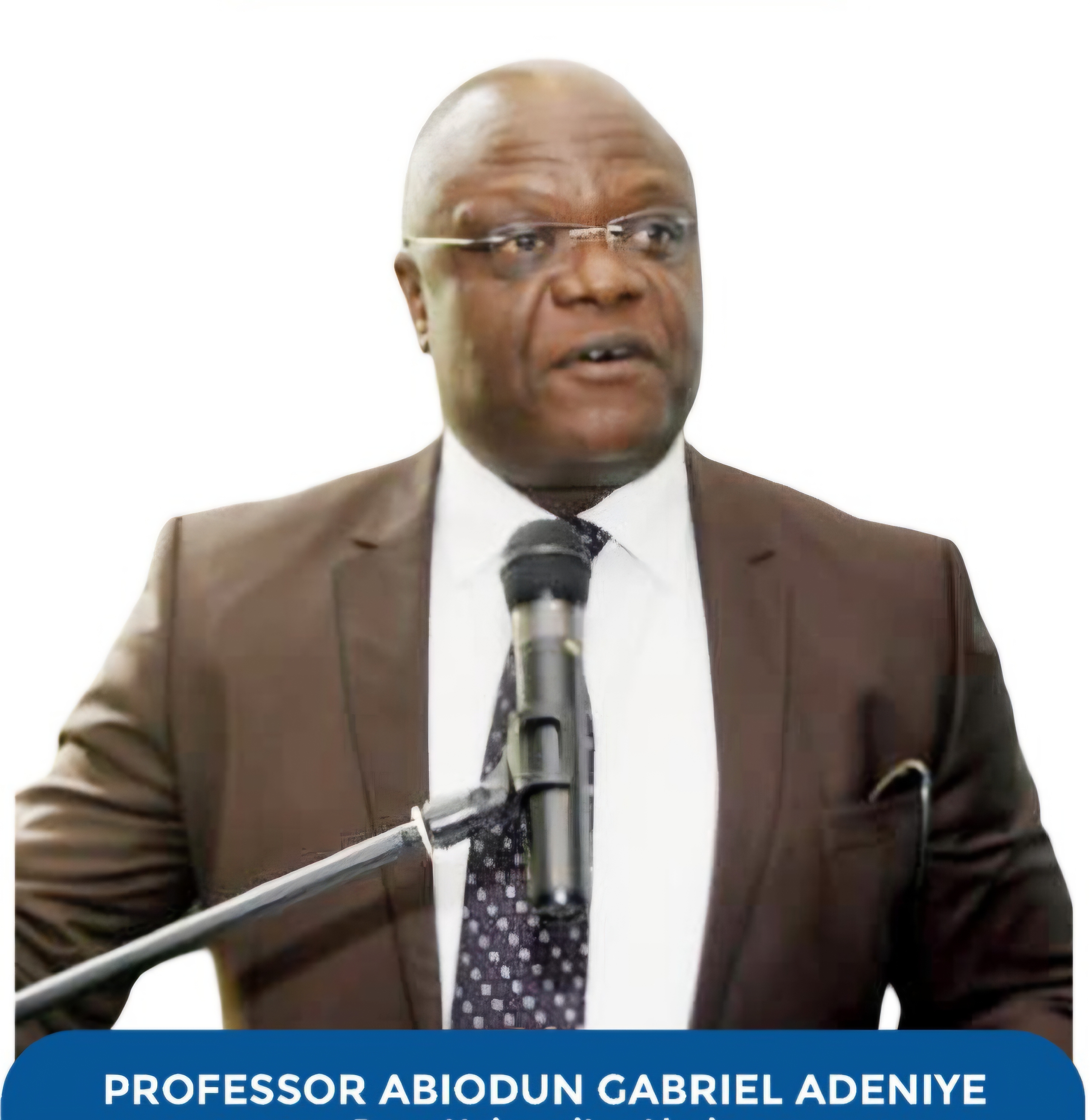
Safer-Media Initiative Congratulates Professor Adeniyi on Appointment as Baze University VC

Safer-Media Initiative Congratulates Professor Adeniyi on Appointment as Baze University VC

Safer-Media Initiative has congratulated Professor Abiodun Adeniyi on his appointment as the new Vice-Chancellor of Baze University, describing the development as a well-deserved recognition of his academic excellence and leadership.In a congratulatory letter conveyed to him and signed by the organisation’s Executive Director and Chief Executive Officer, Peter Iorter, the organisation described Adeniyi as a distinguished scholar of communication and media, whose career has been marked by professionalism, dedication and intellectual depth.The organisation also highlighted Adeniyi’s close association and support for its activities, noting that just last Saturday he participated as a key discussant at its roundtable organised to mark World Press Freedom Day.Professor Adeniyi’s appointment, which takes effect from May 6, 2026, was approved by the Chairman of the Board of Trustees and Founder of Baze University, Senator Datti Baba-Ahmed, following what the institution described as a rigorous and competitive selection process.Until his elevation, Adeniyi served as Registrar of the university. He is succeeded in that role by Ahmad Mahmoud Lawi, who previously served as Director of Human Resources.Both appointments, according to the university, reflect a commitment to merit-based leadership, continuity and sustained institutional growth, with the Board expressing confidence in the ability of the new leadership to advance the university’s academic and administrative goals.

Read More →
WPFD 2026: Media Leaders Warn of Regulatory Threats to Independent Journalism in Nigeria

WPFD 2026: Media Leaders Warn of Regulatory Threats to Independent Journalism in Nigeria

ABUJA, NIGERIA — 3 May 2026 — Media leaders and advocates convened virtually on the eve of World Press Freedom Day under the theme “Shaping a Future at Peace: Promoting Press Freedom for Human Rights, Development, and Security”. Amid what participants described as a “steep decline” in global press freedom, the roundtable—organised by Safer-Media Initiative—ended with a call to strengthen Nigeria’s media ecosystem against rising regulatory and digital threats. The discussion highlighted recent tensions, including a directive by the National Broadcasting Commission (NBC) restricting personal opinions on air, which participants described as “strangulation rather than regulation”. Executive Director and Chief Executive Officer of Safer-Media Initiative, Peter Iorter, said: “Just last month, the NBC’s directive restricting the expression of opinions on air did not merely ignite debate—it raised serious concerns about creeping censorship and the shrinking space for independent journalism. It forces us to confront a critical question: where does regulation end and suppression begin? When journalism is free, safe, and sustainable, it acts as a firewall against conflict. But when it is constrained, the pillars of peace and human rights begin to crumble.” Iorter stressed that the roundtable was not about celebrating an abstract concept of press freedom. “We are discussing the very survival of the media—and indeed, our democracy,” he said. He emphasised the urgency of the theme in Nigeria’s current context, noting that the media faces mounting pressures amid deep polarisation, economic hardship, insecurity, and rapid technological shifts. These challenges, he said, make conversations around press freedom even more critical as the country approaches the 2027 election cycle. Referencing a report by the United Nations Educational, Scientific and Cultural Organisation (UNESCO), Iorter noted a steady contraction of civic space globally, with a reported 48 per cent increase in attempts to restrict or control the media. Journalists continue to face violence within a climate of impunity, where 85 per cent of killings remain unsolved. He added that the economic fragility of independent media is worsening, with over 54 per cent of global advertising revenue now concentrated on digital platforms. Meanwhile, artificial intelligence is disrupting information ecosystems, with 40 per cent of users already using AI to create or modify content. These pressures have contributed to an estimated 63 per cent rise in self-censorship since 2012, driven by judicial intimidation, online harassment, economic strain, and fear of reprisals. The roundtable also noted findings from the 2026 World Press Freedom Index released by Reporters Without Borders (RSF) on 30 April, which show global press freedom at its lowest level in 25 years. For the first time, more than half of the 180 countries and territories assessed fall into the “difficult” or “very serious” categories. Nigeria ranked 112th out of 180 countries—an improvement from its 122nd position in 2025. Despite this progress, the country remains in the “difficult” category. RSF evaluates countries based on five indicators: political context, legal framework, economic context, sociocultural context, and safety. Although Nigeria’s overall score has improved, performance across the indicators remains uneven, with little consistent progress. While Nigeria’s Constitution guarantees freedom of expression, laws such as the Cybercrime Act are often used to hinder investigative journalism. Numerous cases of attacks and killings of journalists have been documented, yet responses remain fragmented, with limited accountability or remedies. Among the lead discussants, Professor Adeniyi of Baze University, Abuja, spoke on digital transformation and artificial intelligence, emphasising the need for the media to harness AI to strengthen information integrity rather than allow it to be used for surveillance or state-driven disinformation. Adaora Onyechere Sydney-Jack, Executive Director of Gender Strategy Advancement International, addressed issues of pluralism, gender equality, and inclusion. She stressed that the media must reflect Nigeria’s diversity to enhance social cohesion. Other contributors included Juliana Francis, Publisher of Security News Alert, who spoke on the intersection of press freedom, peace, and security. She raised the question of how journalists can move beyond reporting conflict to actively support peacebuilding without being labelled unpatriotic or compromising their safety. Abdullateef Abubakar Jos, Founder and Publisher of Solace Base, focused on media viability and economic sustainability, proposing alternative business models that could help local media operate independently of political patronage. The roundtable attracted wide participation from media professionals across Nigeria. World Press Freedom Day is observed annually on 3 May to celebrate the fundamental principles of press freedom, assess its global state, and honour journalists who have lost their lives in the line of duty. It was proclaimed by the United Nations General Assembly in December 1993, following a recommendation by UNESCO. The date commemorates the 1991 Windhoek Declaration, a statement by African journalists advocating for an independent and pluralistic press.

Read More →
SMI Calls for Urgent Policy Frameworks on AI Governance in Nigerian Newsrooms, as Survey Highlights Gaps

SMI Calls for Urgent Policy Frameworks on AI Governance in Nigerian Newsrooms, as Survey Highlights Gaps

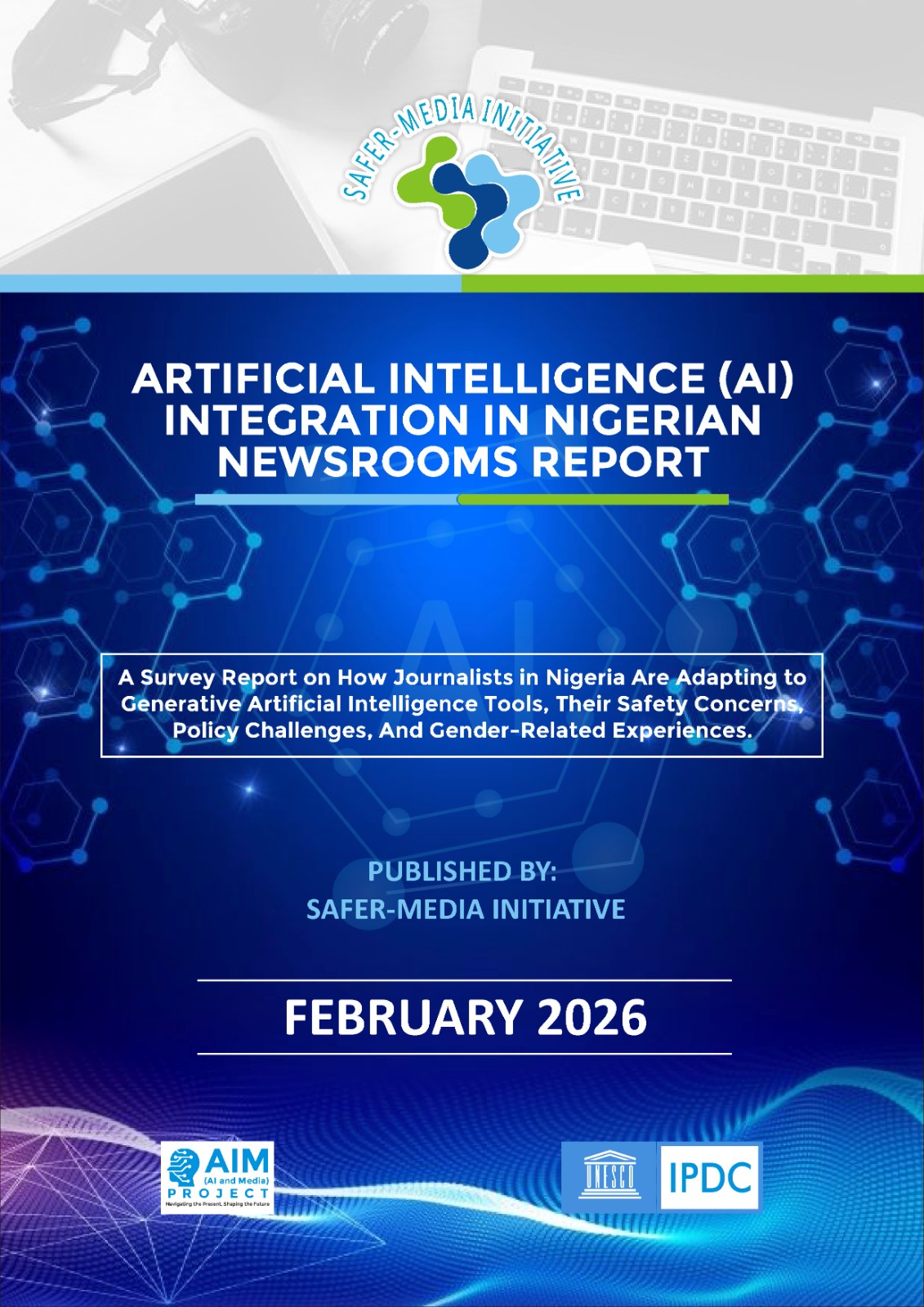
Safer-Media Initiative (SMI) has called for an urgent policy framework to guide the responsible use of artificial intelligence in Nigerian newsrooms, following a survey that revealed a lack of clear AI guidelines. The organisation’s Executive Director, Peter Iorter, made the call on Friday in Abuja while presenting the survey report.The SMI survey reveals significant structural and ethical gaps in how newsrooms are approaching AI adoption. A majority of respondents (51%) report an absence of formal policies in their newsrooms. The report also reveals limited transparency practices and unclear lines of responsibility. Iorter, while making the report public, says AI governance appears largely ad hoc, with individual journalists often left to make ethical decisions without institutional guidance.Iorter said: “When asked who is primarily responsible for the ethical oversight of AI in your newsroom, 34% say individual journalists are responsible for ethical decisions around AI, with 27% saying no one is responsible. Communication from management—particularly regarding job security and tool provision—remains inconsistent, contributing to uncertainty within newsrooms. Overall, the data suggests that many organisations are using AI without the foundational frameworks needed to ensure accountability, transparency, and security.”According to the survey, only 17% report having a clear, written policy, suggesting that structured governance is still emerging. A combined 32% either don’t know (16%) or rely on informal verbal rules (16%) when asked, “Does your newsroom have a written, formal policy regarding the use of AI?” highlighting a lack of internal communication on AI adoption in most newsrooms.The report also noted that audience transparency is not yet a priority in many newsrooms, despite growing public concern about AI-generated misinformation. A higher proportion of respondents (51%) say their newsroom has no rule on disclosing AI-generated content. Meanwhile, 22% note disclosure is encouraged but not enforced, showing a partial but weak commitment to transparency, while only 8% report mandatory disclosure.The report noted that the lack of mandatory disclosure may undermine trust. It also shows that ethical oversight is fragmented: 34% of respondents say individual journalists are responsible for ethical decisions around AI, 28% cite management or the Editor-in-Chief, while 27% say no one is responsible. Only 11% point to the IT/Tech department.Only a minority feel adequately informed about how AI may affect their roles, with 40% of respondents reporting that AI’s impact on job security has not been discussed at all. While 27% report transparent and reassuring communication, 20% describe management’s communication as vague or unclear, and 13% say information circulates only through informal rumours. The report notes that a lack of structured communication may contribute to anxiety and speculation among staff.The report further observes that security practices are weak across most newsrooms. A larger proportion of respondents (67%) say they are expected to use free AI tools, which often lack enterprise-grade security. A significant number (27%) say they pay for their own professional tools, indicating a personal financial burden and inconsistent access to secure systems. Only 6% report that management provides paid enterprise subscriptions. The reliance on free tools increases exposure to data privacy risks and may violate organisational or regulatory standards.The SMI Executive Director and CEO says these key findings expose the absence of formal structures guiding the use of AI in Nigerian newsrooms, which could undermine journalistic integrity and accountability as AI tools become increasingly integrated into newsroom processes. To address this challenge, Iorter hinted that SMI is currently developing newsroom policy guidelines to promote adoption by newsrooms, to ensure responsible use of AI technologies and safeguard the future of journalism practice in Nigeria.The SMI report, which is now available on the organisation’s website, surveyed how journalists in Nigeria are adapting to generative artificial intelligence tools. It highlights journalists’ use of generative AI, safety concerns, policy challenges, and gender-related experiences. The report has also provided a baseline for the training of over a hundred journalists across the country on the effective and responsible use of AI tools.The development of a policy framework on AI usage in Nigerian newsrooms will be another major activity of SMI’s Artificial Intelligence and Media (AIM) Project: Navigating the Present, Shaping the Future. The AIM project is made possible through funding from the United Nations Educational, Scientific and Cultural Organization (UNESCO) through its International Programme for the Development of Communication (IPDC).

Read More →
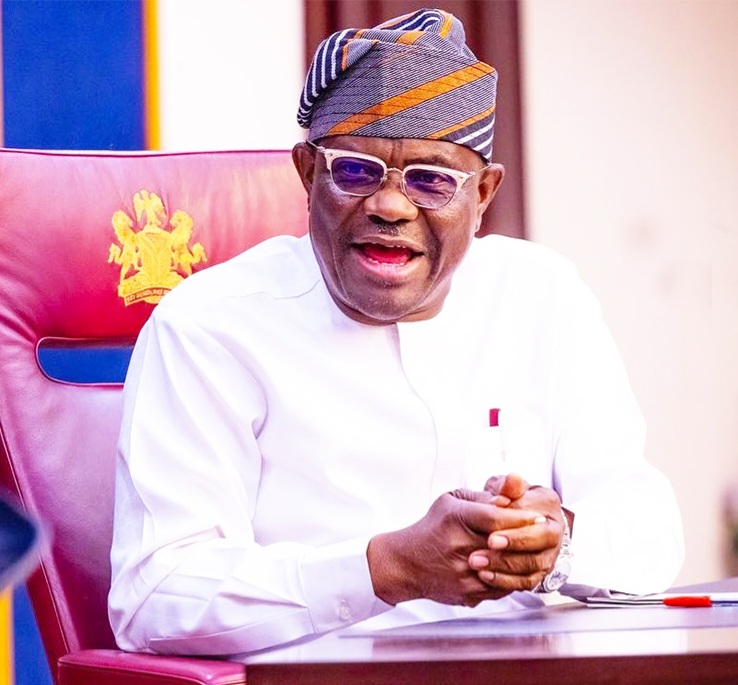
SMI Condemns Wike’s Hostile Remarks Against Journalist; Demands Immediate Retraction and Public Apology

SMI Condemns Wike’s Hostile Remarks Against Journalist; Demands Immediate Retraction and Public Apology

​Abuja — 4 April 2026.​Safer-Media Initiative (SMI) has strongly condemned recent comments made by the Minister of the Federal Capital Territory, Nyesom Wike, during a media briefing in which he suggested he would have shot Channels Television journalist, Seun Okinbaloye if it were possible to do so through the screen.​In a statement issued by Peter Iorter, the Executive Director and CEO of SMI, the organisation described such language from a senior public official as deeply alarming. Iorter noted: "Such a statement coming from Wike normalises violent rhetoric against journalists and contributes to a climate of fear and intimidation that directly undermines press freedom and democratic accountability in Nigeria."​He further emphasised that journalists play a vital role in informing the public, facilitating debate, and holding those in power accountable. Consequently, any suggestion of violence against a member of the press—whether framed as hypothetical or rhetorical—is deemed unacceptable and dangerous, especially in a country where journalists already face significant risks in the line of duty.​In light of this, SMI is calling on Minister Nyesom Wike to immediately retract his statement and issue an unreserved public apology to Seun Okinbaloye and the wider journalistic community. The organisation also urged relevant government authorities to reaffirm their commitment to the safety, independence, and protection of journalists across Nigeria.​Iorter warned that a failure to address this matter adequately may compel SMI to pursue all appropriate legal and institutional remedies available under Nigerian law. SMI concluded by standing in solidarity with Seun Okinbaloye, Channels Television, and all media professionals in Nigeria, reiterating its unwavering commitment to defending the right to free, independent, and safe journalism.

Read More →
SMI Holds Virtual Training on Effective, Responsible and Safe AI Use for Journalists

SMI Holds Virtual Training on Effective, Responsible and Safe AI Use for Journalists

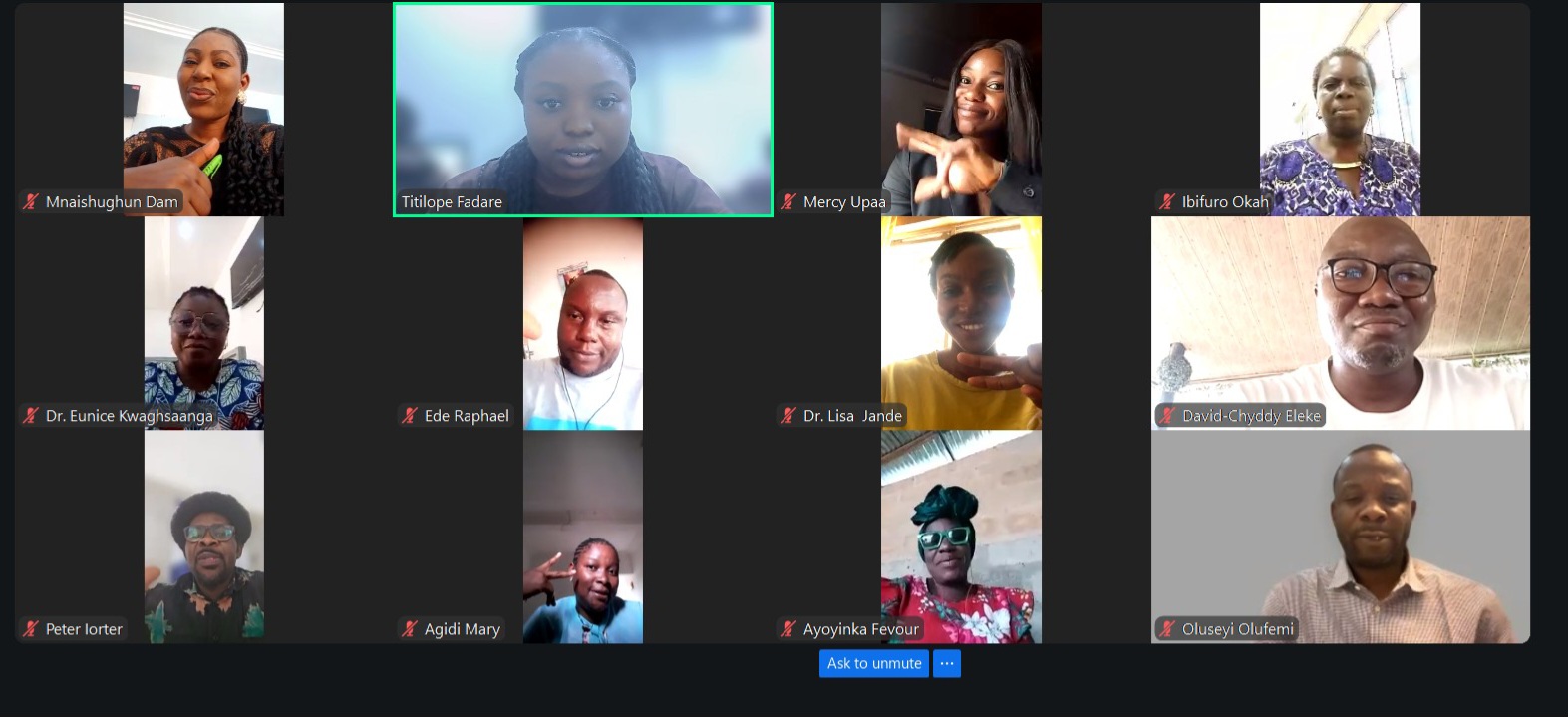
ABUJA — 28 March 2026.As part of its commitment to expanding access to artificial intelligence training for media professionals, Safer-Media Initiative (SMI) held a virtual training session for journalists on Saturday, 28 March 2026.The session was designed to provide an inclusive learning opportunity for journalists who were unable to attend the in-person workshops previously held in Abuja, Lagos, and Benin City. It delivered the same comprehensive curriculum and hands-on experience, ensuring broader participation across the country.The Executive Director and CEO of SMI, Peter Iorter, noted that the virtual training reflects the organisation’s dedication to ensuring no journalist is left behind in the rapidly evolving AI-driven media landscape. Iorter said:“This virtual session is designed to extend the same quality of learning and engagement to those who could not attend physically. It is important that every journalist, regardless of location, has access to the knowledge and tools needed to navigate the changing media environment responsibly.”He further disclosed that the training will be followed by a virtual question-and-answer session scheduled for Wednesday, 1 April 2026, aimed at addressing challenges participants may encounter when applying their newly acquired skills.Iorter added:“The follow-up session is designed to address the challenges participants may face when trying to apply what they learned during the training.”Participants were taken through a comprehensive curriculum, including Prompt Engineering, which focused on “The Art of Prompting” to achieve high-quality journalistic results. The training also featured hands-on reviews of AI-powered tools aimed at improving efficiency in research, editing, and newsroom workflows.In addition to technical skills, the session emphasised ethical practices in the use of artificial intelligence. Participants explored strategies for combating misinformation, maintaining editorial standards, and addressing gender-sensitive risks, alongside ensuring safety in digital workspaces.The virtual training builds on the success of the in-person workshop series themed “AI Tools for Journalists: Effective, Responsible and Safe Use,” under SMI’s Artificial Intelligence and Media (AIM) Project: Navigating the Present, Shaping the Future.The AIM project is supported by UNESCO’s International Programme for the Development of Communication (IPDC).

Read More →
SMI Trains Abuja Journalists on Effective, Responsible and Safe AI Use

SMI Trains Abuja Journalists on Effective, Responsible and Safe AI Use

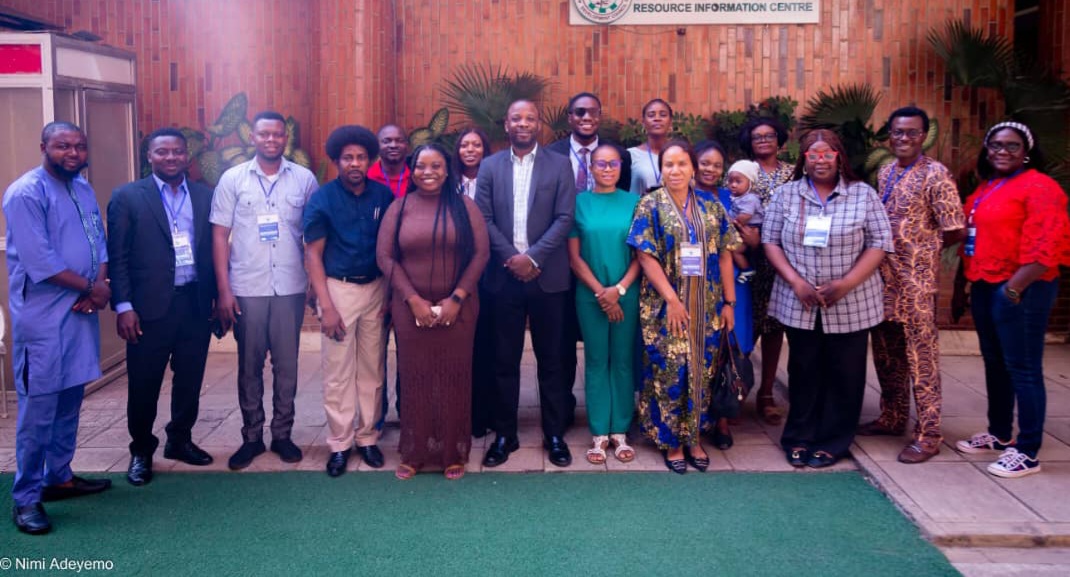
​ABUJA, Nigeria — 27 March 2026. In an effort to bridge the knowledge and skill gap in the application of artificial intelligence, Safer-Media Initiative (SMI) organised a training workshop for journalists in Abuja on Thursday, 26 March 2026.​The Executive Director and CEO of SMI, Peter Iorter, emphasised that the training was both vital and urgent. He noted that AI has emerged as one of the most disruptive technological innovations, fundamentally altering how news is gathered, produced, and distributed. While AI presents significant opportunities, Mr Iorter warned that it must be handled with care.Iorter said: ​“Artificial Intelligence is no longer a distant concept—it is here, shaping how stories are discovered, verified, and told, but with these opportunities come responsibilities. That is why this training is not just important; it is urgent. At SMI, we believe AI should enhance our work and help us tell trusted stories, not distort them.”​He further remarked that journalists must harness the potential of AI to work "smarter, faster, and deeper" while strictly safeguarding ethics and public trust. Iorter added: “This workshop is not just about learning new tools; it is about building a culture of responsible innovation—where AI strengthens journalistic integrity rather than undermining it.” ​The training facilitator, Titilope Fadare Oparinde, led sessions focusing on the evolving role of AI in the modern newsroom, the art of "effective prompting" to achieve high-quality journalistic results, and hands-on reviews of AI-powered tools for research, editing, and fact-checking. ​Complementing the technical skills, the Country Director of Dataphyte, Oluseyi Olufemi, delivered a session focused on data integrity and ethical practices. He stressed the importance of using AI to combat misinformation and highlighted digital safety concerns, including gender-sensitive risks inherent in new technologies.Participants expressed high levels of satisfaction, with several describing the programme as the "best training ever" for its practical approach to newsroom optimisation.​​The training workshop, themed “AI Tools for Journalists: Effective, Responsible and Safe Use”, is an activity of SMI’s Artificial Intelligence and Media (AIM) Project: Navigating the Present, Shaping the Future. The AIM project is made possible through funding from UNESCO’s International Programme for the Development of Communication (IPDC). Having already held successful sessions in Lagos and Benin City, the Abuja leg concludes the in-person series. The training workshop activity will culminate in a virtual training session designed to provide equal opportunities for journalists who were unable to attend the physical workshops due to their distance from the three cities.

Read More →

Our Partners

Partner 1
Partner 2
Partner 3
Partner 1
Partner 2